
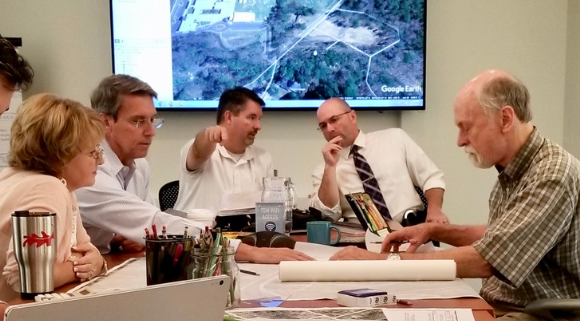
Challenges in building projects don’t usually stem from a single issue—they arise when the owner’s priorities aren’t actively managed at every stage. Architects focus on design. Contractors focus on construction. Lenders focus on financing.
But who is focused on you—your budget, your timeline, and your long-term risk? Without that perspective, projects often drift. Costs creep up. Schedules slip. Decisions get made in isolation. And by the time issues become visible, they’re expensive—and difficult—to fix.
That’s where Owner Representation changes the outcome. Cost overruns rarely happen all at once. They build gradually through design changes, unclear scopes, and avoidable change orders. An Owner’s Representative brings discipline to the process by:
- Establishing a clear and realistic budget early
- Aligning design decisions with financial goals
- Structuring bids and contracts to eliminate gaps
- Reviewing and pushing back on unnecessary change orders
The result isn’t just cost control—it’s cost predictability, which is often even more valuable. Some of the biggest risks in a project aren’t obvious at the outset. They show up in contracts, coordination gaps, and long-term operational impacts. Left unmanaged, these risks can lead to:
- Liability exposure in contracts and insurance
- Misalignment between project teams
- Scope gaps that create disputes during construction
- Decisions that affect building performance long after completion
An experienced Owner’s Representative helps identify and address these issues early—when they are still manageable. Incomplete drawings, late decisions, and communication breakdowns can all push a project off track.
Owner Representation helps maintain momentum by:
- Coordinating across the full project team
- Monitoring key milestones and critical path items
- Identifying delays before they impact the schedule
- Keeping decisions aligned with timeline and budget
This leads to a more efficient—and more predictable—delivery process.
But perhaps the most important difference an Owner’s Representative brings is perspective. Instead of viewing the project through the lens of design or construction, they view it through the lens of the owner’s objectives—financial, operational, and long-term.
For organizations planning to build, the question isn’t whether challenges will arise—it’s whether those challenges will be managed early or addressed after they’ve already impacted the project.
The right representation doesn’t just keep a project on track.
It changes how the project is delivered from the very beginning.
